
Vertigo & Dizziness
Why Chronic Dizziness Is Missed
By Dr. Max Orris, D.C. ·
Chronic dizziness is often missed because one of its most common contributing causes — cervicogenic dizziness, arising from the neck rather than the inner ear — has no definitive clinical or laboratory test. It is a diagnosis reached by ruling out other causes, and that process can take months of specialist visits before the neck is ever examined as a possible source.
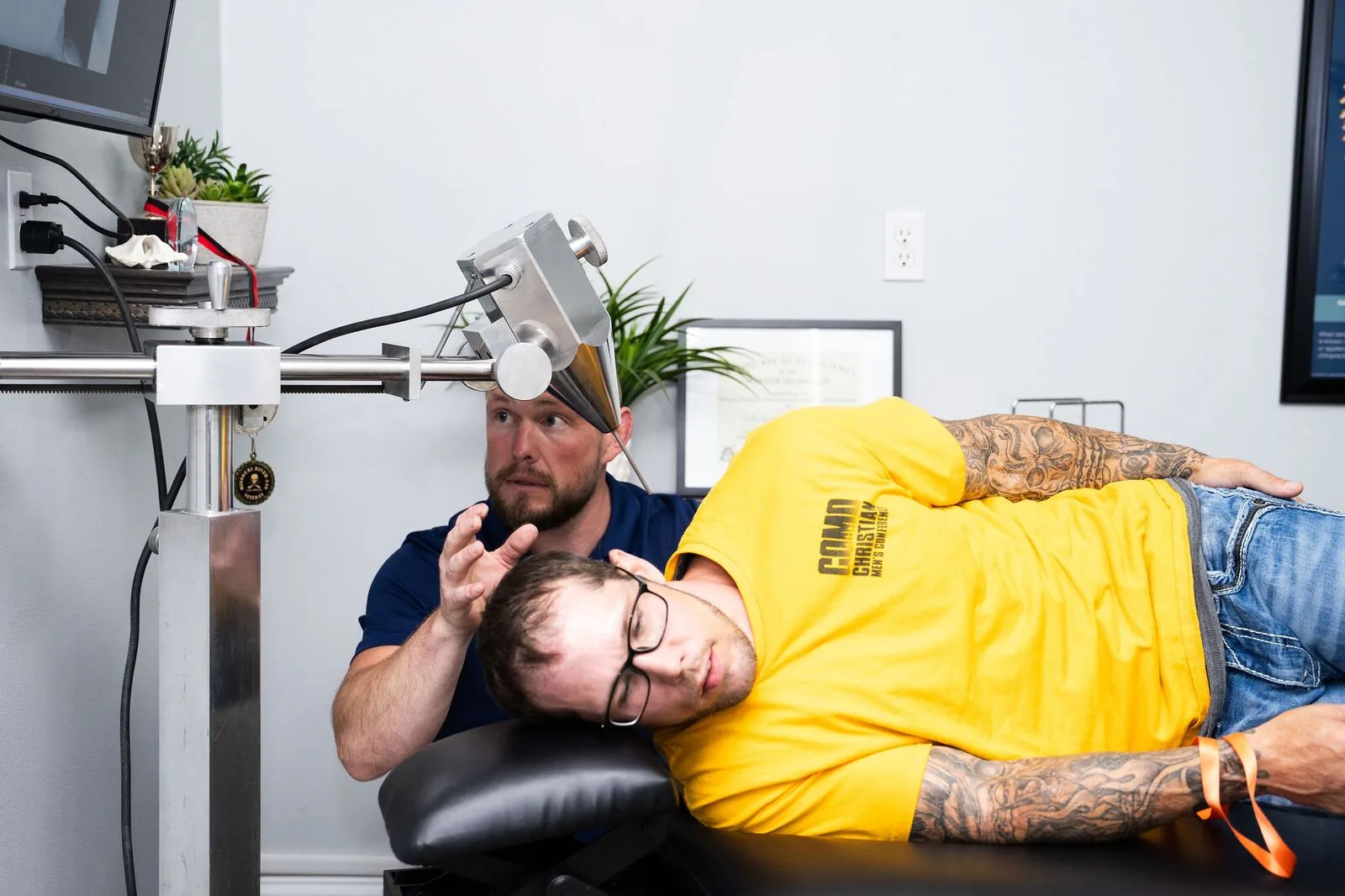
What is cervicogenic dizziness?
Cervicogenic dizziness (CGD) is dizziness believed to originate from a problem with the joints, muscles, or nerve signals of the neck, rather than from the inner ear (vestibular system) or the brain directly. It typically produces a sense of unsteadiness, disorientation, or being pulled to one side, often triggered or worsened by neck movement or sustained neck positions.
It is not the same thing as vestibular vertigo (the spinning sensation associated with inner-ear disorders like BPPV), though the two can coexist and feel similar to the person experiencing them.
Why is there no single test that confirms it?
A 2017 clinical review published in Archives of Physiotherapy states plainly that there are no definitive clinical or laboratory tests for cervicogenic dizziness, which means it is a diagnosis of exclusion — reached only after other, more testable causes have been ruled out.
That same review notes it can be genuinely difficult for clinicians to differentiate cervicogenic dizziness from other vestibular, medical, and vascular causes of dizziness, and that doing so requires a thorough, structured process rather than a single scan or blood draw.
Why does that make it easy to miss in a standard workup?
Most dizziness workups are built around ruling things in, not ruling things out by process of elimination. A patient with dizziness is a reasonable candidate for an inner-ear evaluation, a brain MRI, or a cardiovascular check — and when all of those come back normal, the workup often ends without an answer, rather than moving on to a structured evaluation of the neck.
Because the neck is rarely the first place tested, and because there is no lab value or single image that confirms a cervical source, patients can go through several specialists before anyone examines whether the top of the neck is contributing.
How is the upper neck specifically connected to balance signals?
The uppermost joints of the neck — where the skull meets the first two vertebrae (the atlas and axis) — are dense with proprioceptive nerve endings that report head position to the brainstem. The brainstem integrates that signal with input from the inner ear and eyes to maintain balance. When that cervical signal is distorted, from a misalignment or joint dysfunction at the top of the neck, the brainstem can receive a mismatched picture even when the inner ear itself is functioning normally.
What should you ask for if standard testing has been normal?
If ENT, vestibular, and imaging workups have all come back normal and dizziness persists, it is reasonable to ask whether the upper cervical spine has been specifically evaluated — not just palpated for tenderness, but assessed and imaged for alignment at the craniocervical junction. This is a different, more specific question than "does your neck hurt," and it is one a general workup does not always ask.
Key Takeaways
- Cervicogenic dizziness has no definitive clinical or laboratory test, so it is diagnosed by ruling out other causes rather than confirming a single finding.
- A normal ENT exam, a normal brain MRI, and normal vestibular testing do not rule out a cervical contribution to dizziness — they rule out separate, different causes.
- The upper cervical joints send proprioceptive signals to the brainstem that factor into balance; distorted signals from this area can produce dizziness even with a healthy inner ear.
- If a full workup has been normal and dizziness persists, a specific evaluation of alignment at the top of the neck is a reasonable next question to ask.
Frequently Asked Questions
Is cervicogenic dizziness the same as vertigo?
Not exactly. Vertigo usually refers to a spinning sensation tied to the inner ear, while cervicogenic dizziness more often feels like unsteadiness or disorientation tied to neck position or movement. The two can overlap or coexist in the same person.
Why hasn’t my doctor mentioned my neck as a possible cause?
Because there’s no definitive test for cervicogenic dizziness, it’s typically considered only after other causes are ruled out, and a standard dizziness workup is often built around inner-ear and neurological testing first. It’s a reasonable, specific question to bring up yourself if those tests have been normal.
Can neck-related dizziness show up on a normal MRI?
A brain MRI and an upper cervical alignment X-ray answer different questions. The MRI is designed to rule out neurological causes; it is not designed to measure precise alignment at the craniocervical junction, so a normal MRI does not rule out a cervical contribution.
How long does it typically take to get a cervicogenic dizziness diagnosis?
There’s no fixed timeline, but because it’s a diagnosis of exclusion, it often comes after other specialists and tests have been exhausted — which can mean months of appointments before the neck is evaluated specifically.
References
About the Author
Dr. Max Orris is an upper cervical chiropractor at Gateway Upper Cervical Institute in Pacific, Missouri, where he has practiced since 2016. He is certified in the Advanced Orthogonal technique and focuses on complex neurological presentations, including vertigo and dizziness that haven’t resolved with standard care.
Related: see the full condition page.
Have questions about your own situation?
Call (636) 271-2960 or request an appointment — we're glad to talk through what you're experiencing.